Product and sector fit
Align products, technology and services with the appropriate CEMS industry programme. Consider the customer’s operating needs, purchase cycle, technical requirements and the company’s ability to supply and support the market.
CEMS helps international suppliers and trade institutions approach Nigeria through sector-focused exhibitions, product presentation and relevant business introductions. The starting point is a clear offer and a practical plan for engaging buyers, distributors and industry operators.
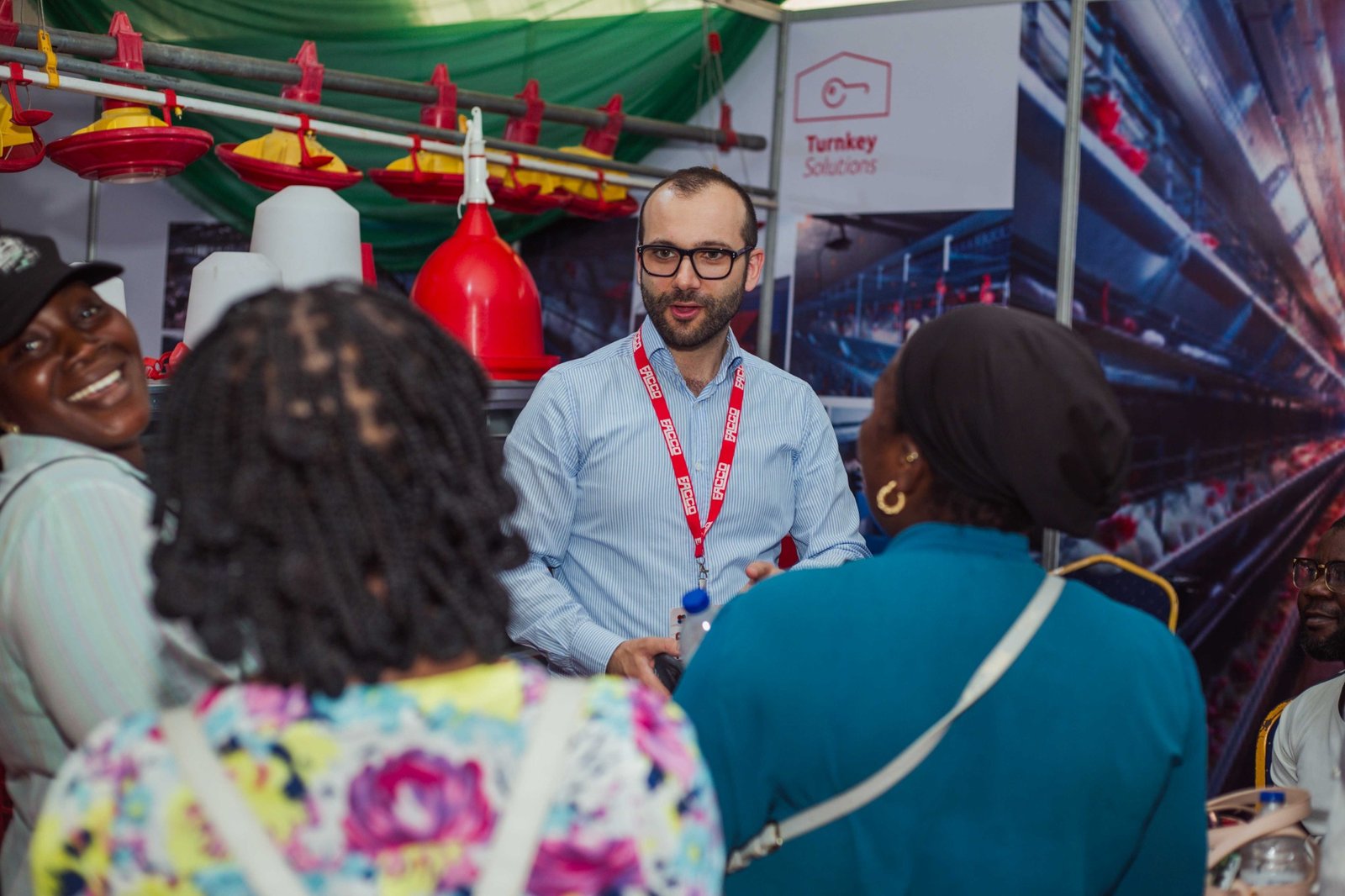
A market-entry programme should answer three questions: who needs your offer, how they buy and which local relationships could support delivery. CEMS shapes event participation around those questions, helping companies move from general visibility to informed commercial discussions.
Align products, technology and services with the appropriate CEMS industry programme. Consider the customer’s operating needs, purchase cycle, technical requirements and the company’s ability to supply and support the market.
Define target customers by business type, sector and commercial role. Prepare a concise product proposition and approach relevant buyers and importers through event participation and agreed introduction activity.
Explain whether you seek an importer, reseller, technical agent or service partner. Use the exhibition to begin discussions about territory, product support and commercial responsibilities before any agreement is negotiated.
Select a stand and display approach that makes the offer easy to understand. Plan machinery requirements, technical literature, demonstrations and staff availability against the selected event’s rules and confirmed facilities.
Prepare pricing assumptions, delivery information, export experience, warranty terms and service capability. A credible proposal must address how the product will reach and support the buyer after the first meeting.
Evaluate prospective partners’ sector knowledge, customer base, technical resources and commercial capacity. Companies remain responsible for due diligence, contract negotiations and the decision to appoint a partner.
An exploratory visit suits companies testing product relevance; exhibiting gives a supplier space for demonstrations and repeated discussions; a coordinated company group can combine individual offers with shared visibility. The event and format should match the maturity of your market-entry plan.
Ask about the buyer’s application, decision process, expected quantities and technical needs. Agree a specific next step such as a quotation, demonstration, sample assessment or partner discussion. Record timing and responsibility rather than relying on a business card alone.
Clarify the product offer, target market, customer profile and preferred route to market.
Review the relevant CEMS exhibition or conference and the participation format that fits your objectives.
Supply company and product profiles, partner requirements and practical meeting priorities.
Record enquiries, assess counterpart suitability and assign owners to the next commercial steps.
Country, company website, product categories, export experience, target buyers, desired partner type and preferred event or dates.
Event fit, stand requirements, demonstrations, commercial contacts, promotional materials and agreed priorities for introductions.
Enquiry qualification, sample or quotation requests, technical discussions, partner assessment and a clear follow-up owner.
Prepare a product summary, target buyer profile, delivery assumptions, technical support plan and the criteria for a suitable local partner. Assign a commercial decision-maker and a person responsible for follow-up.
Capture the company, contact role, application, interest level and next step for each enquiry. Review requests promptly and distinguish a buyer opportunity from a prospective distribution relationship.
Exhibition participation creates opportunities for relevant conversations. Sales, appointments and distribution agreements depend on mutual interest, product suitability and the participating companies’ own commercial work.
The selected event, participation format, space, visibility and introduction scope determine the proposal. Inclusions, optional services, timing and commercial terms are agreed in writing.
Companies should assign enquiry owners, qualify opportunities and agree next steps with prospective partners. Any additional CEMS follow-up support must be included in the agreed scope.
Yes, a company can explore event participation while evaluating its route to market. It should be clear about how enquiries, delivery and technical support would be handled before making a commercial commitment.
A defined product offer and counterpart brief. Specify the customer segment, geographic territory, technical capabilities and commercial role you need so discussions have a clear purpose.
CEMS HQ.: info@cems-ng.com
CEMS Enquiries: info.cemshq@gmail.com
Project Lead: y-kazeem@cems-ng.com
Yekeen Kazeem, Project Lead: +234 80 3191 9662 | +44 7491 636905
 WhatsApp