Programme concept and positioning
Define the industry focus, participation proposition, intended audience and relationship between the exhibition and conference. Establish why the programme matters to domestic and international participants.
CEMS develops and coordinates B2B exhibitions and conferences that bring industry participants into a purposeful business environment. We align the event concept, commercial programme and delivery requirements around the sectors, audiences and international partners the project is intended to serve.
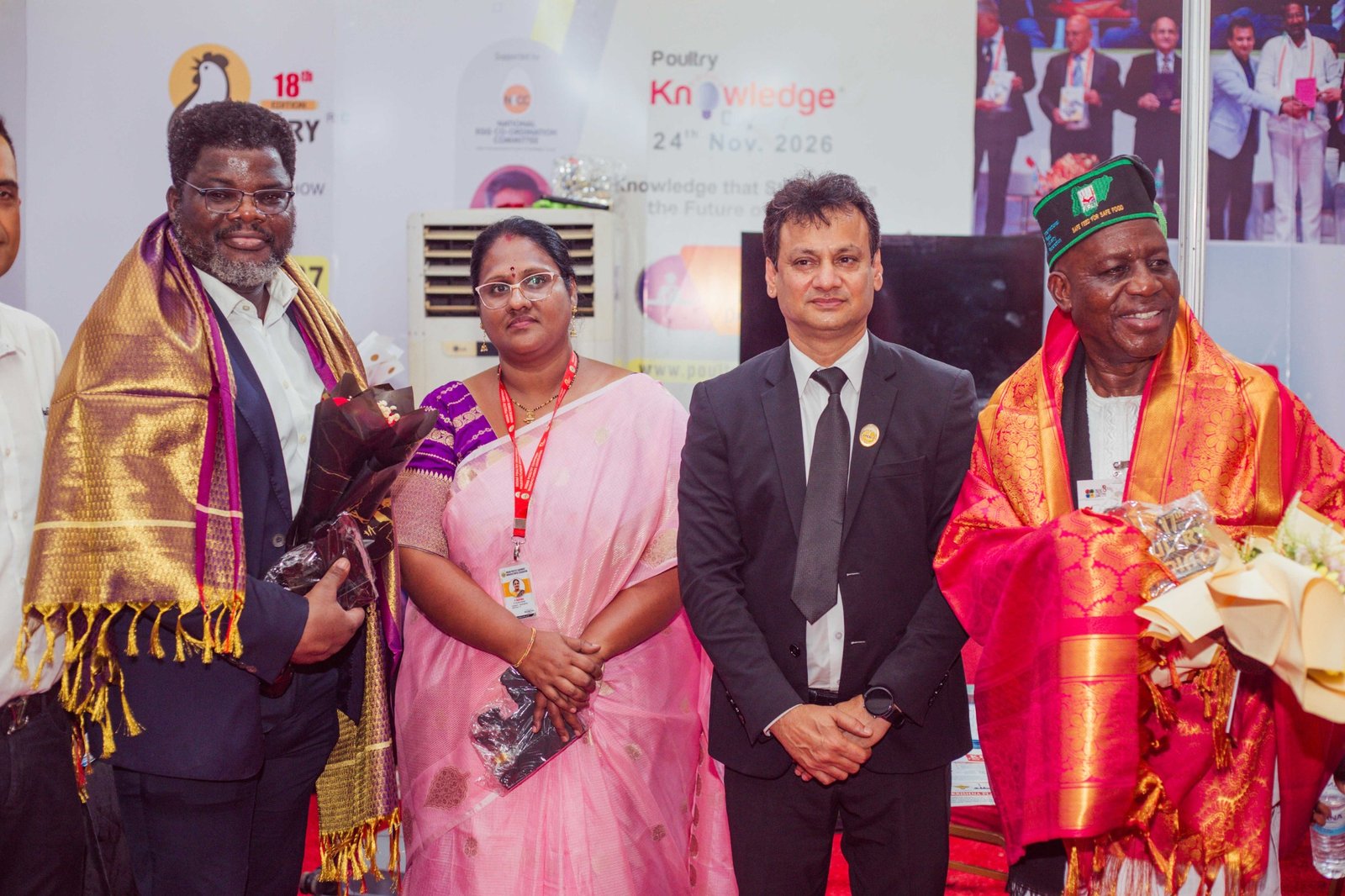
A strong trade programme combines a relevant audience, a clear commercial proposition and practical organisation. CEMS works from an agreed brief to coordinate the exhibition and conference elements, with responsibilities and service inclusions defined before delivery.
Define the industry focus, participation proposition, intended audience and relationship between the exhibition and conference. Establish why the programme matters to domestic and international participants.
Review stand formats, space requirements, product demonstrations, circulation and exhibitor information against the selected venue and floor plan. Technical and construction arrangements are confirmed within the project scope.
Shape themes, sessions and speaker profiles around relevant industry questions. Invitations, accepted speakers and confirmed programme items are tracked separately during preparation.
Provide clear preparation milestones and information requirements for exhibitors, sponsors, speakers and partners. Assign focal points for commercial and operational questions.
Coordinate company groups, national pavilions and visiting delegations where included in the programme. Align their product profiles, participation needs and meeting priorities with the event’s sector focus.
Coordinate the agreed workstreams, appointed suppliers and event-day responsibilities. Maintain a practical issue and action process so decisions reach the people responsible for execution.
Prepare consistent programme information, participant guidance and announcements. Dates, venue details, inclusions and any programme changes should be communicated clearly.
Review participation, enquiries, feedback and delivery issues against the agreed measures. Capture lessons and follow-up responsibilities that inform the next programme.
Define the sector, audience, commercial objectives, timeline and responsibilities.
Develop the programme, deliverables, resourcing, milestones and commercial terms.
Track progress against the agreed plan and address operational or commercial issues with appointed focal points.
Assess the agreed measures, capture outstanding actions and plan the next stage.
Event purpose, sector, format, proposed dates, location, audience profile, international participation ambitions and decision-makers.
Agreed scope, budget parameters, venue and supplier responsibilities, preparation milestones and operational requirements.
Confirmed exhibitors and sponsors, registration and attendance measures, programme delivery and participant feedback. Commercial transactions remain with the businesses involved.
A focused assignment can be discussed alongside a broader programme. The proposal should identify exactly which activities CEMS will deliver and which remain with the client or other appointed providers.
A written proposal sets out the scope, milestones, commercial terms, responsibilities and any separately priced services. Availability and delivery commitments are confirmed for the individual assignment.
Agree practical measures before work begins. Distinguish activity completed, responses received, confirmed participation and commercial outcomes so progress can be reviewed accurately.
CEMS HQ.: info@cems-ng.com
CEMS Enquiries: info.cemshq@gmail.com
Project Lead: y-kazeem@cems-ng.com
Yekeen Kazeem, Project Lead: +234 80 3191 9662 | +44 7491 636905
 WhatsApp